English| USD
Suggested for you
More currencies
Choose a language
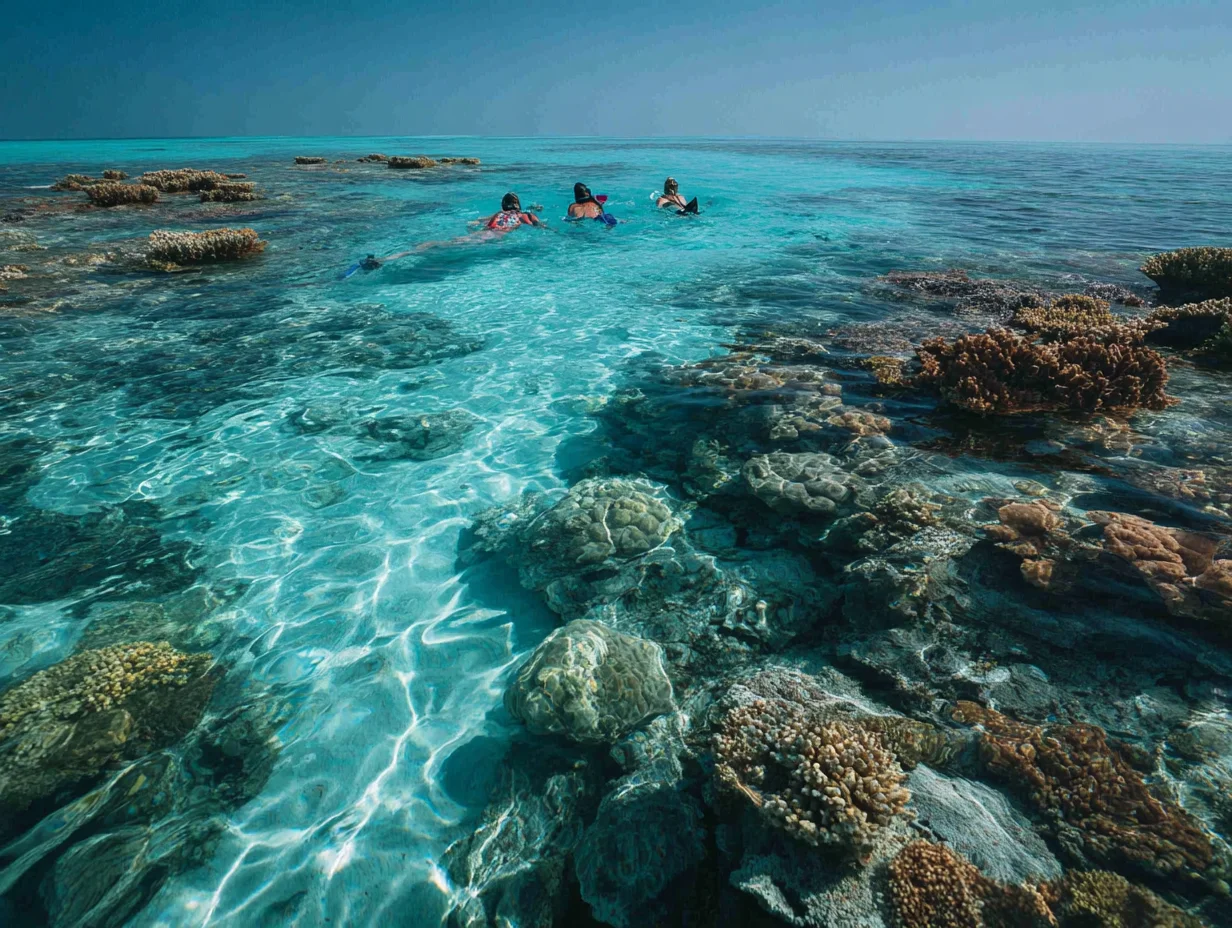
Mnemba Island sits three kilometers off Zanzibar's northeast coast, surrounded by a protected marine zone where visibility regularly exceeds 20 meters. The atoll's status as a special conservation area means access is regulated, but the reward is intact coral formations and resident populations of green turtles, dolphins, and reef fish that have adapted to minimal human pressure.
Quick answer
Mnemba Island requires a 25 USD conservation fee per adult for access to the special area surrounding the atoll. The marine reserve operates daily with no closures, though arrival between 07:00 and 10:00 offers the clearest water before afternoon winds build surface chop. Most operators depart from Matemwe or Muyuni Beach, with boat transfers taking 20 to 30 minutes depending on tide and swell.
The reef surrounding Mnemba drops from shallow flats at two meters to a wall that descends past 30 meters on the atoll's eastern edge. This topography creates distinct zones: beginners stay inside the protected northern curve where depth rarely exceeds five meters, while confident swimmers explore the southern and eastern drop-offs where pelagic species pass through on tidal exchange. Green and hawksbill turtles feed on the seagrass beds between the beach departure points and the atoll itself, making the transit as productive as the destination. Dolphin pods patrol the channel most mornings, and humpback whales migrate through these waters between July and September. The conservation fee funds moorings that prevent anchor damage and supports ranger patrols that enforce the no-fishing zone. Water clarity fluctuates with tide and moon phase. Spring tides pull nutrient-rich water from the channel, briefly reducing visibility but attracting larger fish. Neap tides settle the water column, offering the clearest conditions for photography. Northeast monsoon winds from December through February create surface chop that limits trips, while the calmer months between June and October see near-daily operations. Operators typically include mask, snorkel, and fins in their rates, but not the conservation fee, which is collected separately on-site. Rashguards or wetsuits are recommended; the sun reflects intensely off white sand flats, and even 90 minutes in the water can cause burns across shoulders and calves. Most trips run two to three hours total, with 60 to 90 minutes in the water depending on group size and conditions. The island itself remains private and off-limits, but the surrounding reef extends far enough that land access is irrelevant to the snorkeling experience.
“The reef wall on Mnemba's eastern edge descends past 30 meters, creating a boundary where shallow-water species meet open-ocean visitors.”
The optimal period for snorkeling at Mnemba Island is between 07:00 and 10:00 to ensure the clearest visibility and calmest water conditions. Arriving during this window minimizes the impact of wind-induced chop that often develops later in the day.
Dry season, 24°C–28°C
These months offer stable conditions and high underwater visibility.
Warm season, 27°C–32°C
The weather is hot with low rainfall, providing frequent opportunities for snorkeling.
Wet season, 26°C–30°C
Increased rainfall can reduce visibility, though periods of calm water remain.
—
Arriving between 07:00–10:00 provides the calmest sea surface for snorkeling.
Verdict: The best time to visit is during the dry season from June to October, specifically arriving between 07:00 and 10:00.
A few advance steps will ensure your Mnemba Island snorkeling trip runs smoothly.
Everything you need to know about zanzibar snorkeling spots
Mnemba Island is renowned as one of the premier zanzibar snorkeling spots due to its protected status and vibrant coral diversity. The shallow turquoise waters provide excellent visibility, often allowing snorkelers to observe diverse marine species such as sea turtles and reef fish in their natural habitat.
When visiting any top-rated zanzibar snorkeling spot, be sure to pack biodegradable sunscreen, a rash guard, and a waterproof camera. These items help protect both your skin and the delicate aquatic environment throughout your stay.